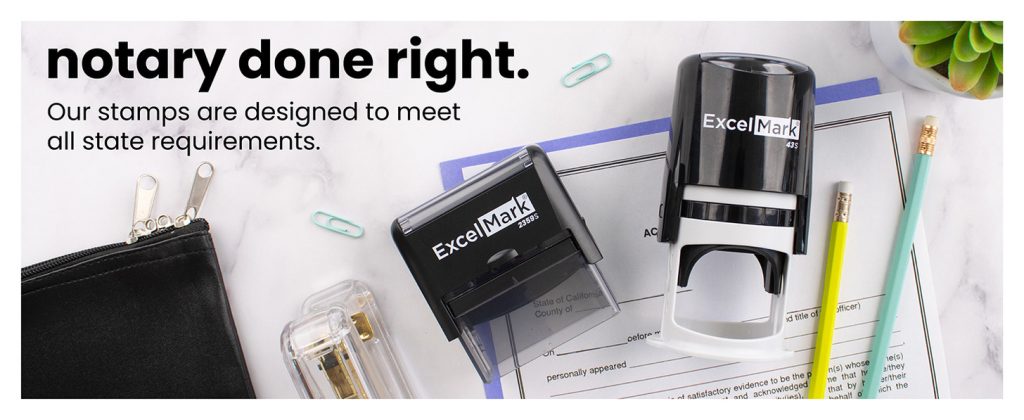





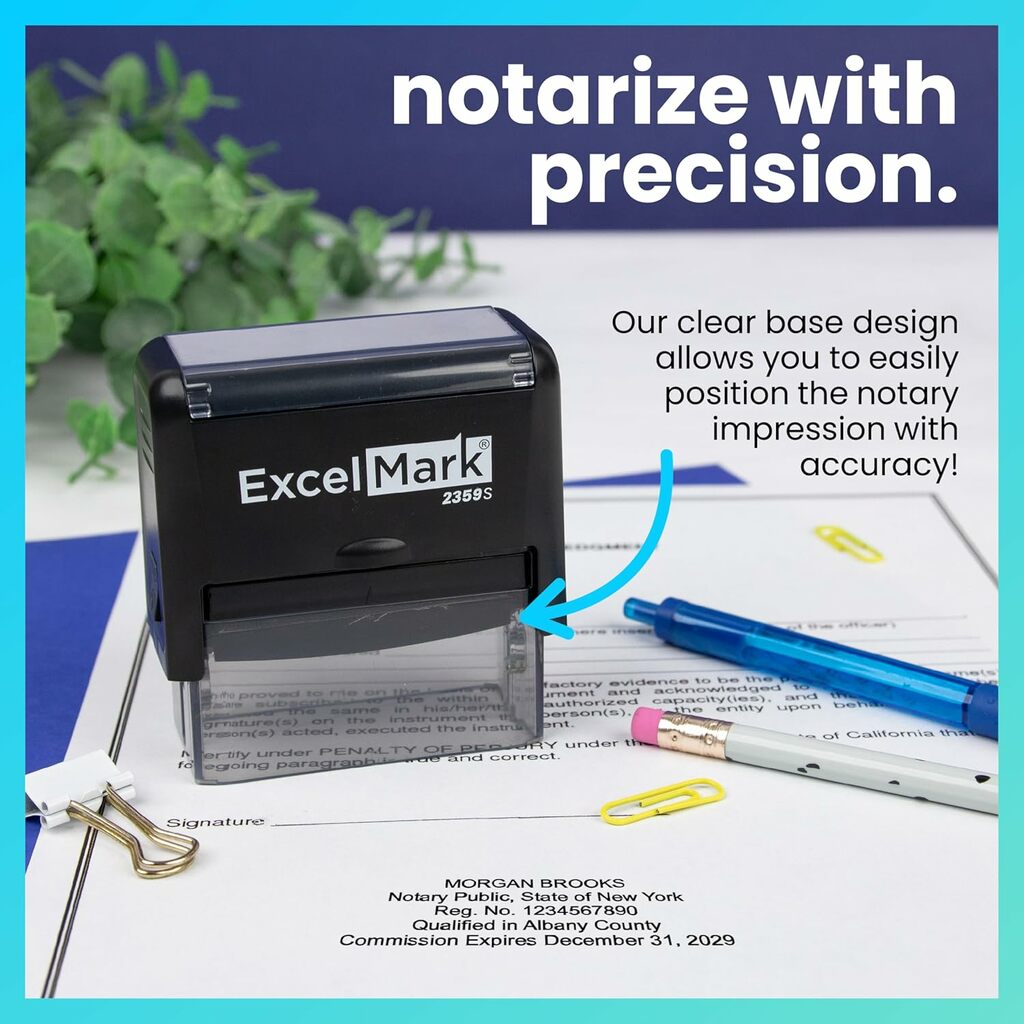
Affiliate Disclaimer: This post may contain affiliate links, which means I may earn a small commission if you click through and make a purchase, at no extra cost to you.
Ever wondered how professionals make documents authentic with just one press? The self-inking notary stamp is key in making legal and business documents official in the U.S.
We understand the importance of notarization tools for professionals. A self-inking notary seal is more than a tool. It shows reliability and legal approval.
This guide will take you into the world of self-inking notary stamps. We’ll cover their purpose and how to pick the right one for you. It’s suitable for both experienced notaries and those new to the field.
Learning about self-inking notary stamps can make the process of certifying documents easier. We’ll simplify complex info into manageable steps. This will help you make wise choices.
Get ready to learn about making documents official. Discover why a good notary stamp is crucial in today’s work world.
What is a Self-Inking Notary Stamp?
Notary stamps are key in legal documents. They help verify documents and stop fraud. A self-inking notary stamp makes it easy and fast to sign documents.
Knowing about notary stamps is essential. They prove that the documents are authentic. This is crucial for legal papers.
Definition of a Notary Stamp
A notary stamp makes an official mark on documents. The self-inking method is a new approach for notarizing. It makes legal documents easier to handle.
- Creates an official notarial seal with consistent impressions
- Provides immediate verification of document authenticity
- Meets state-specific legal requirements
Types of Notary Stamps
There are many notary stamp types to choose from:
- Self-Inking Stamps: Most popular, with built-in ink pad
- Pre-Inked Stamps: Offer crisp, clean impressions
- Traditional Rubber Stamps: Require a separate ink pad
Each stamp type serves the same purpose: to verify that documents are genuine. The best option for you depends on your specific needs and the laws in your state.
Professional notaries know a good stamp is more than a tool. It’s a sign of official approval.
Benefits of Using a Self-Inking Notary Stamp
Notary professionals understand the importance of good tools. A self-inking notary stamp makes document authentication faster and better.
The proper notary stamp can change how you certify documents. It saves time and enhances your work.
Quick and Convenient Certification
Self-inking notary stamps expedite the processing of legal documents. They cut out steps from old methods:
- Instant ink application
- No separate ink pad needed
- Fast document authentication
- Less effort needed
Consistent Impressions Every Time
Getting a clean notary seal is easy with self-inking stamps. They ensure that your stamps look the same every time, which is essential for legal documents.
| Stamp Feature | Performance Benefit |
|---|---|
| Precision Mechanism | Perfect alignment guaranteed |
| Consistent Pressure | Even ink distribution |
| High-Quality Ink | Sharp, readable impressions |
Don’t settle for smudges or outdated stamps. Upgrade to a premium self-inking notary stamp designed for durability and precision.
Reduced Ink Mess and Maintenance
Self-inking stamps have more benefits than just speed and consistency. They also reduce ink problems during document certification.
- Contained ink reservoir
- Less risk of spills
- Simple to clean
- Ink lasts a long time
Choosing a quality self-inking notary stamp is a wise choice for efficient notarization.
How to Choose a State-Specific Notary Stamp
Choosing the proper notary stamp is key for professional notaries. State-specific notary stamps are vital for legal compliance and document integrity. Our guide will help you understand notary stamp requirements with confidence.
Choosing the perfect notary stamp involves understanding several key factors. Each state has its own rules for notary seals and stamps. It’s crucial to research your state’s specific requirements.
Understanding State Requirements
Notary stamp requirements differ across states. Essential aspects to consider include:
- Specific dimensional requirements
- Mandatory information on the stamp
- Approved stamp types
- Color and ink specifications
Features to Look For
When picking customized notary seals, focus on these essential features:
- Durability of the stamp mechanism
- Clarity of impression
- Ink quality and longevity
- Compliance with state regulations
Customization Options
Professional notaries can make their state-specific notary stamps unique through various customization choices:
| Customization Type | Description |
|---|---|
| Color Options | Select from approved ink colors |
| Size Variations | Match state-specific dimensional requirements |
| Personal Branding | Add professional contact information |
Pro Tip: Always check your state’s specific notary stamp requirements before buying. This ensures legal compliance.
Steps to Order Your Self-Inking Notary Stamp
Ordering a custom notary stamp is a straightforward process. We’ve made it easy for you to find the perfect notary seal purchase. You can do it with ease and confidence.
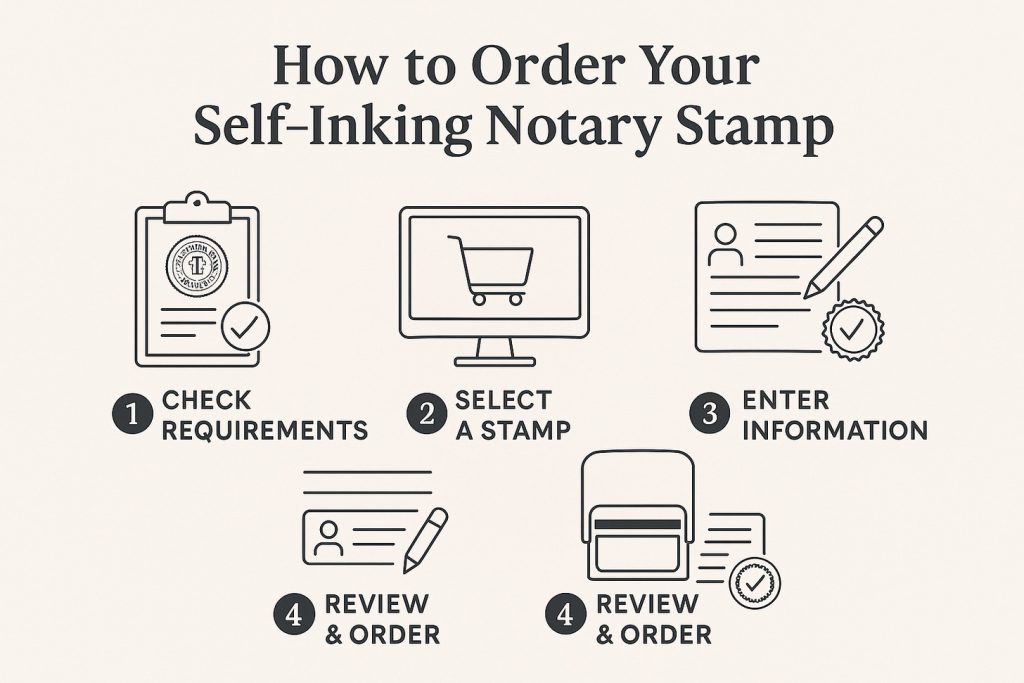
When you’re ready to order a notary stamp, follow these steps. They ensure accuracy and compliance:
State-Specific Selection
Choosing the right state is key when ordering a notary stamp. Each state has its own rules for notary seals. So, you should:
- Verify your current state’s specific notary regulations
- Check commission status and expiration date
- Confirm acceptable stamp designs for your jurisdiction
Gathering Essential Information
Before you buy your notary seal, prepare these details:
- Full legal name as it appears on your notary commission
- Official commission number
- Commission expiration date
- Preferred stamp style (self-inking or traditional)
Final Order Review
Before you finalize your custom notary stamps order, do these critical steps:
- Double-check all entered information
- Verify spelling of name and commission details
- Confirm shipping address
- Review stamp design and layout
Pro tip: Always request a digital proof before final production to ensure absolute accuracy.
Ready to elevate your notarial acts? Get the self-inking notary stamp that meets state requirements and delivers crisp, professional impressions every time.
Maintenance and Care for Your Notary Stamp
Keeping your notary stamp in good shape is key. It ensures your work looks professional and lasts a long time. Taking care of your stamp is more than just a routine task. It’s about keeping a vital tool ready for your work.
There are a few essential steps to keep your self-inking notary seal in great shape.
Cleaning Your Stamp
Cleaning your stamp regularly stops ink from building up. This keeps your stamps looking sharp. Here’s how to clean your notary stamp right:
- Use a soft, lint-free cloth to wipe the stamp surface
- Avoid using water or harsh chemicals
- Gently remove dried ink with a specialized cleaning solution
Re-inking Your Notary Seal
Knowing when to reink your notary seal is crucial. It ensures your documents are always authentic. Look out for these signs to know when to reink:
- Faded or incomplete stamp impressions
- Uneven ink distribution
- Visible ink depletion
“A well-maintained notary stamp is a professional’s most reliable tool.” – Notary Professional Association.
Storing Your Stamp Properly
Storing your stamp right keeps it safe and in good condition. Here are some tips for storing your notary seal:
- Keep in a cool, dry place away from direct sunlight
- Store in a locked drawer or secure cabinet
- Protect from extreme temperatures
Pro tip: Always keep your notary stamp out of reach of unauthorized individuals to maintain security and professional integrity.
Legal Requirements for Notary Stamps in Your State
Understanding notary stamp laws is crucial. Each state has its own rules for legal notary seals. Notaries must follow these rules closely.
Knowing your state’s notary laws is crucial to ensuring the validity of your documents. Notaries must be familiar with the specific rules they are required to follow.
General Nationwide Regulations
- Stamps must include the notary’s full legal name
- Commission expiration date is typically required
- State name must be displayed
- Specific font and size requirements vary by state
State-Specific Stamp Variations
States have their own rules for notary stamp designs. Precise compliance is non-negotiable for authenticating legal documents.
| State | Stamp Size | Required Information |
|---|---|---|
| California | 2″ x 2″ | Name, Commission Number, Expiration |
| New York | 1.5″ x 2.5″ | Full Legal Name, County, Commission Dates |
| Texas | 2″ x 3″ | Name, County, Commission Expiration |
Professional notaries must stay current with the evolving standards for notary seals and regulations. This helps avoid legal issues.
Tips for Effective Notarization
To be a professional notary, you need more than just tools. You must learn the best ways to ensure documents are accurate and legally compliant. This means knowing the key steps for authenticating documents.
Keeping accurate records is key for top-notch notaries. Our guide will show you how to handle notarial acts with ease and precision.
Ensuring Document Completeness
Before you notarize a document, check these necessary things:
- Make sure all signature spaces are filled
- Look for any missing dates or important details
- Confirm the document is fully signed
- Ensure there are no blank spaces left
Maintaining Comprehensive Notary Records
Keeping accurate records is vital. Here’s how to do it right:
- Choose a high-quality, permanent notary journal
- Write down each notarial act right after it’s done
- Include all the details of each transaction
- Keep journals safe for the needed time
Understanding Types of Notarial Acts
Being aware of various notarial acts is essential. This way, you can offer full service:
- Acknowledgments: Confirming the signer’s identity and their voluntary signature
- Jurats: Giving oaths or affirmations
- Copy Certifications: Verifying copies of documents
- Signature Witnessing: Watching as someone signs a document
Professional notaries understand that paying close attention and adhering to the law are essential for authenticating documents.
By following these best practices, you’ll gain your clients’ trust. You’ll also keep your notary service at the highest level.
Common Misconceptions About Notary Stamps
Understanding notary stamps can be challenging, as many myths persist. We’ll clear up some common misconceptions about notary stamps. This will give you accurate information.
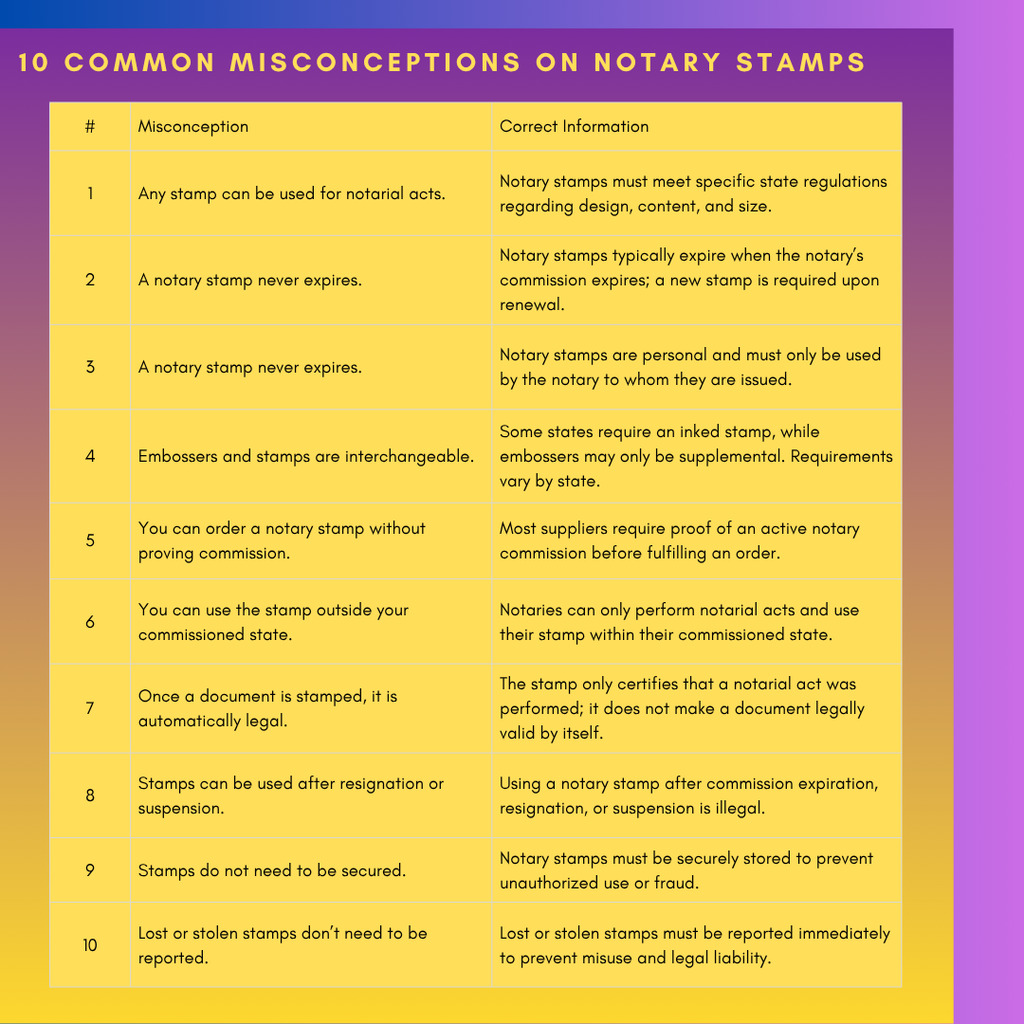
Notary professionals often get confused about the various stamps and their legal status. It’s essential to know the difference between self-inking and traditional stamps. This knowledge helps keep your work professional.
Debunking Stamp Selection Myths
- Myth: All notary stamps are the same
- Reality: Different stamps have unique uses and meet state laws
- Choosing the proper stamp is key to your work
Self-Inking vs Traditional Stamps
Many people wonder about the benefits of self-inking versus traditional stamps. Let’s look at their main differences:
| Feature | Self-Inking Stamps | Traditional Stamps |
|---|---|---|
| Convenience | Built-in ink pad | Requires a separate ink pad |
| Impression Quality | Consistent | Varies with pressure |
| Portability | Compact design | Bulkier setup |
Secure Notary Seals: Separating Fact from Fiction
Security is crucial in notary stamps. Not all stamps are equally effective in protecting against fraud. It’s essential to choose stamps with strong security features that follow state laws.
When selecting a notary stamp, consider its security features. These include:
- Unique identifiers
- Tamper-evident design
- Compliance with state regulations
Understanding these key points about notary stamps helps you make wise choices. This protects your reputation and the documents you notarize.
Conclusion: Selecting the Right Self-Inking Notary Stamp for You
Choosing the proper notary stamp is key for legal and admin professionals. It boosts your credibility and work efficiency. A compliant notary seal is more than an office item; it’s your professional identity.
Focus on state rules and quality when picking a stamp. A good self-inking notary stamp makes clear, consistent marks. Look for durable stamps, make clear marks, and follow your state’s rules.
Think about each part of your notary stamp carefully. Check the ink, how long it lasts, how easy it is to use, and if you can customize it. A careful choice means a reliable tool for your work and high standards in document authentication.
Making an Informed Decision
Investing in professional notary tools is crucial for document certification. Check your state’s rules, compare stamps, and select one that’s compliant with your state law. Your choice shows your commitment to quality and professionalism.
Ensuring Compliance and Professionalism
A compliant notary seal is more than a legal must; it shows your dedication. Selecting a self-inking stamp that adheres to all state regulations demonstrates your commitment to precision and the integrity of official processes.
Don’t settle for smudges or outdated stamps. Upgrade to a premium self-inking notary stamp designed for durability and precision.