





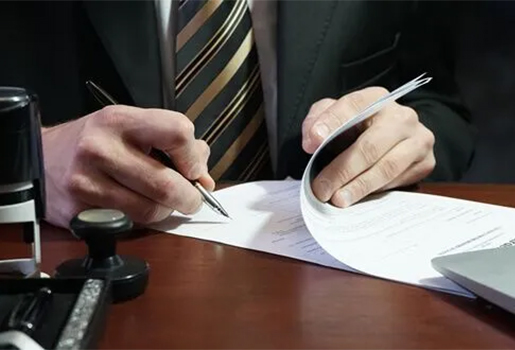
Buying a house. Refinancing a mortgage. Finalizing a loan. Big moments, right? Now imagine being this close to the finish line—and then boom—delay. Something tiny gets missed, and the whole thing stalls. Sound familiar?
You’re not alone. Closing delays are way more common than you think. And it’s usually not because someone dropped the ball in a major way. It’s the small, annoying stuff: missing signatures, incorrect dates, documents not returned on time. These hiccups can cost time, money, and patience. That’s where a notary signing agent comes in.
Success: Here’s how a signing agent prevents delays:
- They ensure that every document is signed in the correct location.
- They confirm all IDs are legit and valid.
- They double-check the documents for accuracy before returning them.
- They return everything fast—no “lost in the mail” nightmares.
- They guide the signer so nothing gets misunderstood or missed.
In this post, we’ll break down the most common mistakes that delay closings and exactly how a signing agent saves the day. You’ll also find a handy table that compares these issues side by side, along with a quick FAQ section at the end.
What Causes Delays In Closings?
Closings get delayed for a lot of reasons. But here’s the truth: many of them are totally avoidable. Let’s break down the most frequent mistakes.
H2: Mistake #1 – Missing Signatures Or Initials
This is the classic one.
Loan documents can run 100+ pages. Some pages need a full signature. Others? Just an initial in the corner. Miss even one, and you’re stuck.
Quick Tip: Most lenders will not fund the loan until every single page is complete. No exceptions.
A signing agent? They walk through the whole stack with the signer and make sure nothing is skipped. They’re like a human checklist.
H2: Mistake #2 – Wrong Dates Or Backdating
Backdating (putting yesterday’s date on today’s doc) is illegal. Putting tomorrow’s date? Also, a problem. But it happens—accidentally or otherwise.
Sometimes, people just write the wrong date without realizing it. Other times, they try to be “helpful” by dating things in advance.
Danger: Backdated documents can void the loan. That’s not a small deal—it could kill the deal completely.
A trained signing agent ensures all dates are filled in correctly and on the spot. No guessing. No assumptions.
H2: Mistake #3 – ID Issues
If the ID doesn’t match the name on the documents, or it’s expired, you’re looking at another delay.
Lenders are picky about this stuff—and for good reason. Fraud protection is serious business.
Fact Box: The ID must usually be:
- Government-issued
- Not expired
- Match the name on the documents exactly (yes, even middle initials count)
A signing agent checks this before the signing even begins.
H2: Mistake #4 – Documents Sent Back Late
Lenders often have tight deadlines. If documents aren’t back by a certain time, funding gets pushed.
Let’s say a borrower signs on Friday afternoon. If those docs don’t arrive at the lender until Tuesday? That’s a mess. Weekend delays are real—and expensive.
Info: Even if everything is signed perfectly, if it arrives late, funding still stalls. That’s why overnight drop-offs and tracking are a signing agent’s best friends.
Signing agents know exactly where to send the documents, how to package them, and how to track delivery. No guessing. No post office drama.
H2: Mistake #5 – Confused Signers
This one’s sneaky. If the signer doesn’t understand what they’re signing, they may refuse to complete the paperwork. That kills the momentum—and maybe the whole deal.
A signing agent can’t give legal advice, but they can explain how the process works and help guide the signer through the flow of the documents.
Suggestion: If a borrower is confused, it’s often because they didn’t have enough prep from the lender. A good signing agent bridges that gap—politely and professionally.
Table: Common Closing Mistakes vs. How a Signing Agent Fixes Them
Here’s a quick comparison you can screenshot or bookmark:
| Common Mistake | Why It Causes a Delay | How a Signing Agent Prevents It |
| Missing signatures/initials | A loan can’t be funded without complete docs | Reviews each page during signing |
| Wrong or missing dates | Illegal or invalid document timestamps | Verifies date accuracy on every form |
| ID problems | Potential fraud or identity mismatch | Confirms ID meets all legal requirements |
| Late document return | Missed funding deadlines | Uses same-day shipping with tracking |
| Confused signer | Borrower refuses to sign or makes errors | Guides them through the paperwork, page by page |
Why Signing Agents Are Worth Every Penny
Let’s be real. Signing agents aren’t just there to witness a signature. They’re the quiet MVPs who help keep your transaction moving.
Here’s what they really bring to the table:
H3: They’re Trained To Catch Problems Before They Become Problems
Most signing agents have seen every type of loan package imaginable. They know what to look for and what’s easy to miss. That kind of experience can’t be Googled.
H3: They’re Independent And Mobile
A good signing agent meets you where you are—literally. Coffee shop? Your office? Grandma’s house? They show up, ready to go. No need to drive across town or rearrange your schedule.
H3: They Protect All Parties Involved
Borrowers feel more confident when someone is calmly walking them through the stack of papers. Lenders appreciate that things are done right the first time. Everyone wins.
Bonus: When Should You Definitely Use A Signing Agent?
There are some situations where using a signing agent isn’t just helpful—it’s critical.
Here are a few:
- Remote closings or mail-away signings
- Refinance documents with multiple signers
- Legal documents with time-sensitive deadlines
- Loan signings that require notarization across multiple states
- Signings involving elderly or non-tech-savvy signers
Warning: Trying to DIY a closing without a signing agent can work… until it doesn’t. Then it gets expensive. Fast.
Conclusion
Closings get delayed all the time, but most of the reasons are totally preventable. Missing signatures. Bad dates. Expired IDs. Slow shipping. Confused signers. All of it can be avoided with one solution: a reliable signing agent.
They make sure the paperwork is accurate, on time, and properly notarized. They don’t just stamp and run—they help keep the entire process moving smoothly.
So if you’re involved in a real estate deal or loan signing, don’t gamble with closing delays. Call a pro.
KJS Multi-Services & Notary is here to help you get to the finish line—without the setbacks.
FAQ
What is a signing agent, exactly?
A signing agent is a notary public who specializes in handling loan and real estate closings. They know the ins and outs of the documents and help prevent mistakes that could delay funding.
Can I just sign the documents myself without a notary?
Some documents require notarization by law, especially in real estate and loan deals. Without a proper notarization, the documents may not be accepted by the lender or court.
Do signing agents give legal advice?
No. They can explain what a document is, but not what it means legally. For legal questions, talk to an attorney.
How fast can a signing agent send documents back?
Most use overnight services with tracking. Some even hand-deliver if it’s local. The goal is to get the docs back ASAP.
How do I know if my signing agent is legit?
They should be commissioned as a notary in your state, have signing agent certification (like from NNA), and carry errors & omissions insurance.